Choosing the right home siding is the fastest way to boost curb appeal, improve energy efficiency, and protect your house from weather damage, and the best approach is to match material, climate, and budget before any installation begins. By understanding the performance traits of each cladding type, homeowners can avoid costly repairs and enjoy a durable exterior that looks great for years to come. For a quick overview of one popular option, see our Aluminum Siding 2026 Guide which highlights cost‑effectiveness and low maintenance.
Why Home Siding Matters: Core Benefits You Can’t Ignore
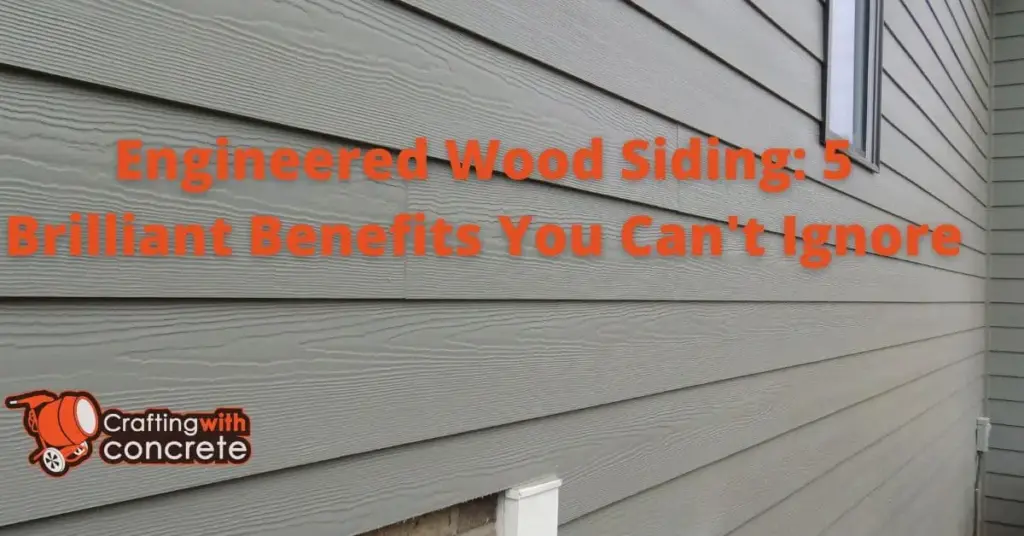
Home siding is more than a decorative skin; it acts as the first line of defense against wind, rain, UV radiation, and pests. According to the U.S. Department of Energy, proper exterior cladding can reduce heating and cooling loads by up to 15%, directly translating into lower utility bills. Additionally, a well‑chosen siding material enhances resale value—real estate data from National Association of Realtors 2026 shows homes with updated siding sell on average 5% faster and at a 3% premium.
Key Benefits at a Glance
- Weather Resistance: Modern sidings are engineered to withstand hail, snow, and high humidity without warping.
- Energy Efficiency: Insulated vinyl or fiber‑cement panels provide a thermal break that helps maintain indoor temperature.
- Low Maintenance: Materials like aluminum and Hardie board require minimal painting or sealing.
- Improved Curb Appeal: A fresh, uniform façade instantly upgrades the visual appeal of any property.
Top Siding Materials in 2026: Pros, Cons, and Ideal Use Cases
1. Vinyl Siding
Vinyl remains the most popular choice for American homeowners, accounting for 36% of the market in 2025 (Statista). Its advantages include affordability, a wide color palette, and resistance to rot. However, extreme temperature fluctuations can cause expansion and contraction, leading to cracks over time.
Table of Contents
- Why Home Siding Matters: Core Benefits You Can’t Ignore
- Key Benefits at a Glance
- Top Siding Materials in 2026: Pros, Cons, and Ideal Use Cases
- 1. Vinyl Siding
- 2. Aluminum Siding
- 3. Fiber‑Cement (Hardie Board)
- 4. Wood (Board and Batten)
- How to Choose the Right Siding for Your Climate and Lifestyle
- Step‑by‑Step Guide to Installing Home Siding
- 1. Assessment and Preparation
- 2. Material Procurement
- 3. Installation
- 4. Finishing Touches
- Maintenance Tips to Extend the Life of Your Siding
- Common Mistakes Homeowners Make When Selecting Siding
- Real‑World Case Study: A Mid‑Century Home’s Siding Upgrade
- Frequently Asked Questions (FAQ)
- What is the average lifespan of common siding materials?
- Can I install siding myself, or should I hire a professional?
- How does siding affect my home’s resale value?
- Is siding a good investment for energy savings?
- Bottom Line: Making an Informed Decision for Your Home
2. Aluminum Siding
Aluminum offers superb durability and a sleek modern look. It is lightweight, fire‑resistant, and recyclable, making it an eco‑friendly option. The 2026 guide notes that installation costs average $4‑$6 per square foot, slightly higher than vinyl but offset by a longer lifespan of 30‑40 years.
3. Fiber‑Cement (Hardie Board)
Hardie board combines cement, sand, and cellulose fibers, delivering excellent impact resistance and a natural wood appearance without the susceptibility to termites. The Hardie Board Siding 2026 Ultimate Guide reports a typical cost of $7‑$9 per square foot, reflecting its premium performance.
4. Wood (Board and Batten)
For a classic, rustic vibe, board and batten siding remains a favorite. While it offers unmatched authenticity, it demands regular painting and sealing to prevent rot. According to the Board and Batten Siding 2026 Complete Guide, homeowners should budget 1‑2% of the siding’s value annually for upkeep.
How to Choose the Right Siding for Your Climate and Lifestyle
Matching siding material to regional weather patterns and personal maintenance willingness is essential. Below is a quick decision matrix based on climate zones:
| Climate Zone | Best Siding Choice | Why |
|---|---|---|
| Coastal (high humidity) | Fiber‑cement or aluminum | Resists moisture and mold. |
| Cold & snowy | Insulated vinyl or Hardie board | Provides thermal break and resists cracking. |
| Hot & dry | Aluminum or stucco | Reflects heat and stands up to UV. |
| Mixed/variable | Board and batten with proper sealant | Offers aesthetic flexibility. |
Step‑by‑Step Guide to Installing Home Siding
Whether you’re a DIY enthusiast or hiring professionals, understanding the installation workflow helps avoid hidden costs. The process typically follows these stages:
1. Assessment and Preparation
- Inspect the existing sheathing for damage; replace any rotted wood.
- Measure exterior surface area accurately; most contractors use laser tools for precision.
- Choose a moisture barrier (e.g., Tyvek) to improve energy efficiency.
2. Material Procurement
Order siding panels with a 5% overage to accommodate cuts and waste. Many suppliers now offer “green” options made from recycled content, which can earn LEED points for eco‑friendly builds.
3. Installation
- Start at the lowest point and work upward, overlapping each row by at least 1‑inch.
- Secure panels with corrosion‑resistant fasteners; aluminum siding often uses concealed clips for a sleek finish.
- Seal all joints with a high‑quality caulk to prevent water infiltration.
4. Finishing Touches
Install trim around windows, doors, and corners to protect edges. If you opted for paintable siding, apply a primer followed by two coats of exterior-grade paint. For pre‑finished options, a final inspection for any misaligned panels is sufficient.
Maintenance Tips to Extend the Life of Your Siding
Regular upkeep can add decades to the service life of any cladding. Follow these simple practices:
- Annual Cleaning: Use a low‑pressure hose and mild detergent to remove dirt and mold.
- Inspect for Damage: After severe weather, check for cracks, loose panels, or water stains.
- Re‑caulk Every 5‑7 Years: Prevents moisture seepage around seams and windows.
- Touch‑up Paint: For painted siding, address chips promptly to avoid rust or rot.
Common Mistakes Homeowners Make When Selecting Siding
Even seasoned DIYers can fall into pitfalls that diminish the investment. Avoid these errors:
- Choosing Solely on Price: Cheaper options may lack durability, leading to higher long‑term costs.
- Ignoring Local Building Codes: Some municipalities require fire‑rated materials in wildfire zones.
- Skipping Professional Consultation: An experienced installer can identify hidden structural issues before they become expensive repairs.
- Overlooking Energy Ratings: Not all sidings have the same R‑value; prioritize insulated products in colder climates.
Real‑World Case Study: A Mid‑Century Home’s Siding Upgrade
When the Miller family in Portland, Oregon, decided to replace their aging wood clapboard, they consulted the Find Reliable Siding Installers Near Me in 2026 guide. After evaluating costs and energy savings, they chose insulated vinyl with a fiber‑cement accent. Within six months, their heating bills dropped 12%, and a post‑renovation appraisal increased the home’s market value by 4%.
Frequently Asked Questions (FAQ)
What is the average lifespan of common siding materials?
Vinyl typically lasts 20‑30 years, aluminum 30‑40 years, fiber‑cement up to 50 years, and wood 15‑25 years with proper maintenance.
Can I install siding myself, or should I hire a professional?
DIY installation is feasible for vinyl or aluminum if you have basic carpentry skills, but complex systems like Hardie board benefit from professional expertise to ensure proper sealing and structural integrity.
How does siding affect my home’s resale value?
A fresh, high‑quality siding upgrade can increase a home’s resale price by 2‑5% according to the Top Siding Companies 2026 report.
Is siding a good investment for energy savings?
Yes. Insulated siding adds an R‑value of 2‑5, which can reduce heating and cooling expenses, especially in extreme climates.
Bottom Line: Making an Informed Decision for Your Home
Home siding is a strategic investment that balances aesthetics, protection, and energy performance. By evaluating climate suitability, material durability, and maintenance expectations, you can select a siding solution that pays off for decades. Remember to consult trusted resources such as the Vinyl Siding 2026 Complete Guide and work with reputable installers to ensure a flawless finish.
Ready to transform your home’s exterior? Start by assessing your current siding condition, explore the material options above, and reach out to a certified installer today.
